


Applications of zeolite activated powders ASORBIO® ZAP
Polyurethane
Zeolite activated powders Asorbio® ZAP are used as molecular sieves to remove moisture during the production of polyurethane products, where the presence of water molecules can cause negative effects.
Learn more
Paints and coatings
ASORBIO® ZAP zeolite activated powder molecular sieves are highly effective additives for removing water molecules during the production of metallic pigmented paints and coatings.
Plastic Recycling
The different pore sizes and hydrophilic or hydrophobic properties of the crystalline structure of ASORBIO® zeolite adsorbents enable them to adsorb various unpleasant odors produced during plastic waste processing and recycling.
Cosmetics
Zeolites are used as additives in creams, lotions and other water-free cosmetic products to create a warming effect. Water adsorption on ASORBIO® ZAP zeolite activated powder molecules is an exothermic process during which the zeolite heats up and releases warmth.
Polymeric adsorbents
Zeolites in polymer mixtures are used as adsorption agents in pharmaceutical and food packaging. Zeolites (e.g. ASORBIO® ZAP-3A) are used to produce polymer spacers for insulating glass.
Applications of zeolite activated granulates ASORBIO® ZAG
Desiccants
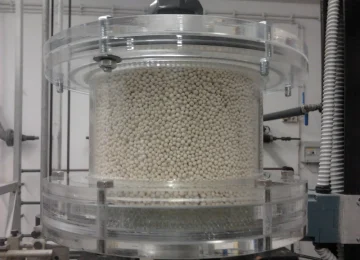
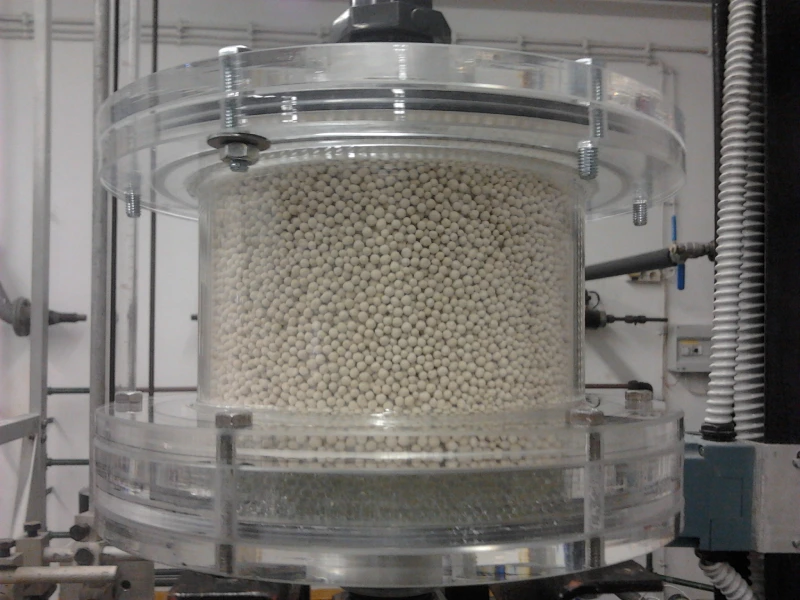
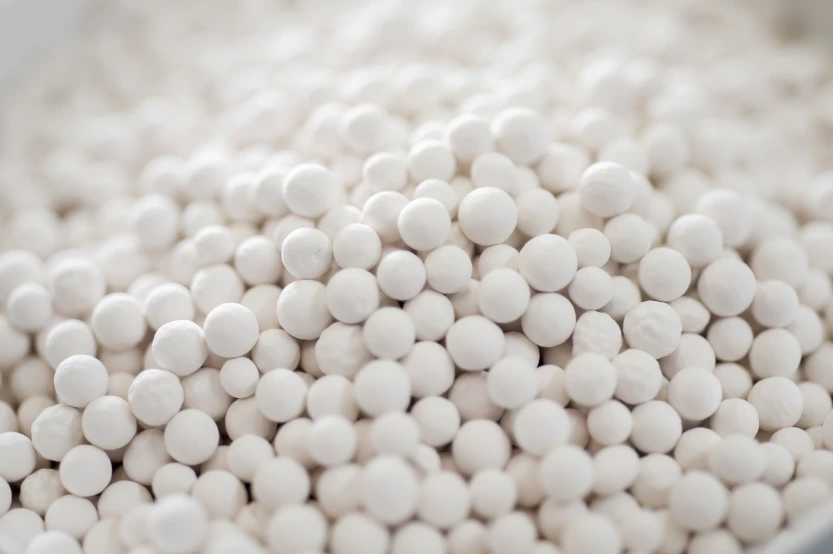
Molecular sieves or ASORBIO® ZAG 4A zeolite activated granulates are hydrophilic zeolites with high water affinity, which makes them useful as desiccants in a range of applications.
Gas purification
ASORBIO® ZAG molecular sieves enable adsorption, which is a highly energy-efficient process for separating gases. Pressure swing adsorption (PSA) is used to produce high purity gases (O2, CO2, He, Ar, H2, etc.) with zeolites.

Wastewater Treatment
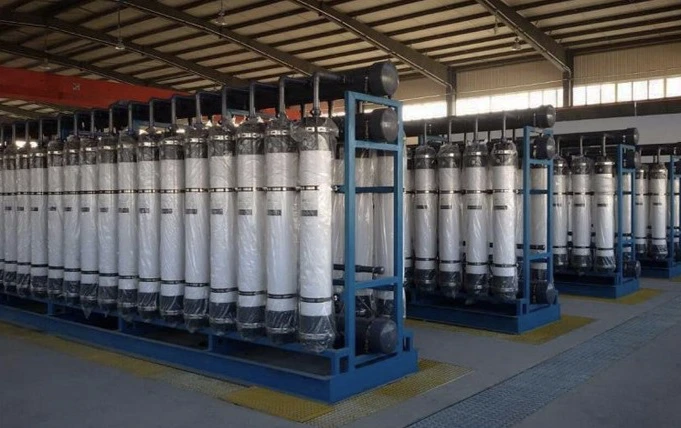
Zeolites have a wide range of applications in wastewater treatment. Zeolites are excellent ion exchangers that can remove large amounts of heavy metals, such as Zn2+, Cu2+, Pb2+, Cd2+, Fe2+, Fe3+, from water. They are also used to stabilize the pH level.
Chemical industry
Zeolite activated granulates (e.g. ASORBIO® ZAG-MFI) are used as catalysts in the chemical industry in various organic and inorganic reactions or as carriers of active components in catalytic reactions.
ASORBIO® ZAP – Zeolite Activated Powders
| Type of Product | ZAP-3A | ZAP-4A | ZAP-5A | ZAP-13X | ZAP-MFI-30 | ZAP-PU | |
|---|---|---|---|---|---|---|---|
Anhydrous solids content, 1 h/800 °C | % | 98 ± 1 | |||||
| Water content (Packing moisture) | % | 2 ± 1 | 2 ± 2 | 2 ± 1 | |||
| SiO2/Al2O3 molar ratio | % | 2 | 2 | 2 | 2.5 | 30 ± 10 | 2 |
| Bulk density | g/l | 350 ± 100 | 350 ± 200 | 350 ± 100 | |||
| Static water adsorption (25 °C, RH=55 %, 24h) | % | 24 ± 3 | 30 ± 3 | – | 22 ± 3 | ||
| Average particle size d50 | µm | 4 ± 2 | 6 ± 4 | 5 ± 2 | |||
| Characteristics | Fine white powder with no visible impurities | ||||||
ASORBIO® ZAG – Zeolite Activated Granulate
| Type of Product | ZAG-3A | ZAG-4A | ZAG-5A | ZAG-13X | ZAG-MFI | |
|---|---|---|---|---|---|---|
| Zeolite (Anhydrous Solids Content, 1 h / 800 °C) | % | 80 ± 3 | ||||
| Binder | % | 18 ± 2 | 18 ± 2 | 18 ± 2 | 18 ± 2 | |
| Water | % | 2 ± 1 | 1.5 ± 1 | |||
| Bulk Density | g/l | 730 ± 70 | 730 ± 70 | 730 ± 70 | 680 ± 70 | 770 ± 50 |
| Static Water Adsorption (25 °C, RH=55 %) | % | 22 ± 3 | 22 ± 3 | 22 ± 3 | 27 ± 2 | max. 2.5 |
All of the above products are available in these granulations:
| Typical Particle Size | mm | 1.6 – 2.5 | 2.0 – 3.5 | 3.0 – 5.0 |
| Hardness | N | 20 ± 10 | 40 ± 20 | 60 ± 20 |
* Other granulations also possible